Henry Moore
“Abstraction means getting away from a visual interpretation but nearer to an emotional one.”
Collectors searching for Henry Moore prints are often drawn to the remarkable story of the artist himself. Born in Castleford, Yorkshire, in 1898, Henry Moore was the seventh of eight children and showed an early fascination with sculpture. Although his parents were initially unsupportive of his ambition to become a sculptor, his teachers recognised his talent and encouraged his artistic development. Moore began his working life as a teacher at his former school before volunteering for service in the First World War.
Upon his return, he resumed his education at the Leeds School of Art, where a sculpture studio was established especially for him. One of his fellow students was Barbara Hepworth, with whom he would later be closely associated. Moore later moved to London, teaching for six years at the Royal College of Art before becoming Head of the Department of Sculpture at the Chelsea School of Art. At the outbreak of the Second World War, he resigned from teaching to work full-time as an artist, producing some of the most recognisable images for the War Artists’ Advisory Committee and achieving widespread public recognition.
Moore’s international reputation grew rapidly after the War. In 1946, he became the first British artist to receive a solo exhibition at the Museum of Modern Art in New York. This was followed by the International Sculpture Prize at the Venice Biennale in 1948 and a succession of major public commissions, including works for the Festival of Britain (1951), UNESCO (1958) and the University of Chicago (1963).
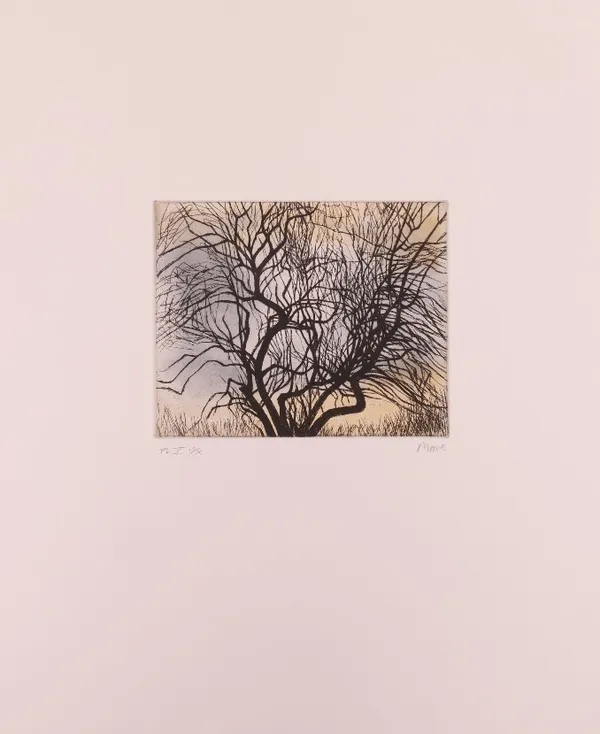
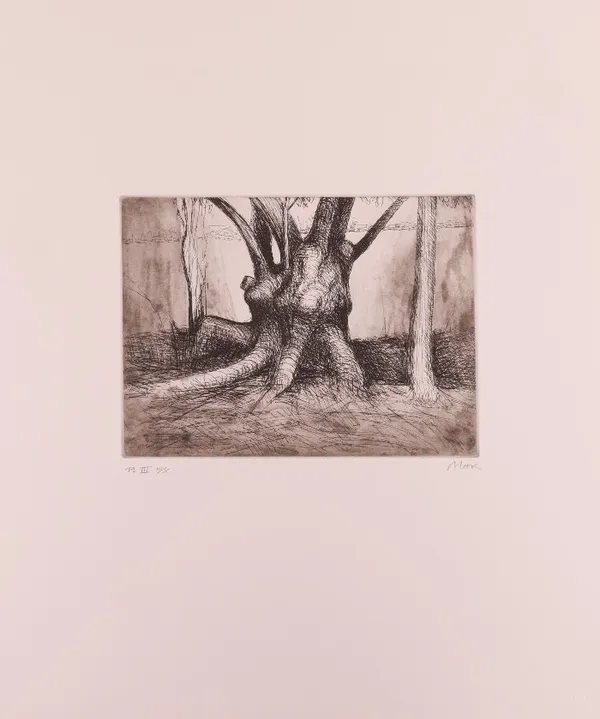
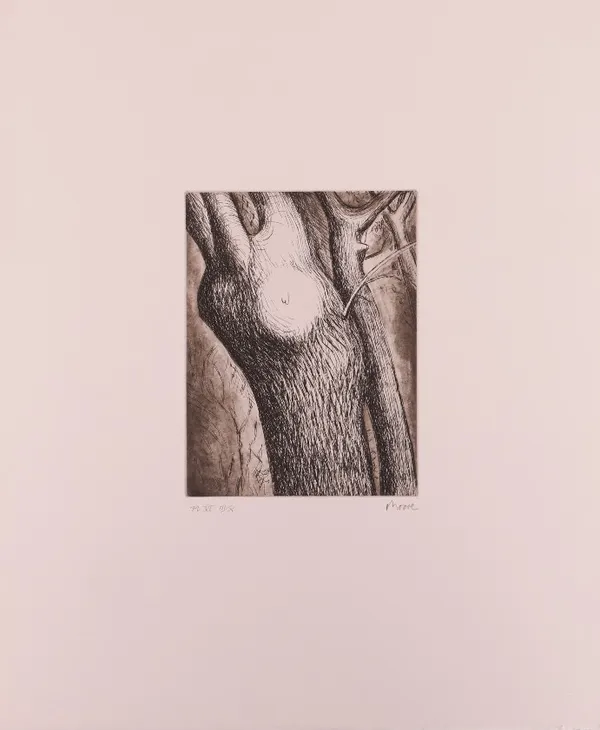
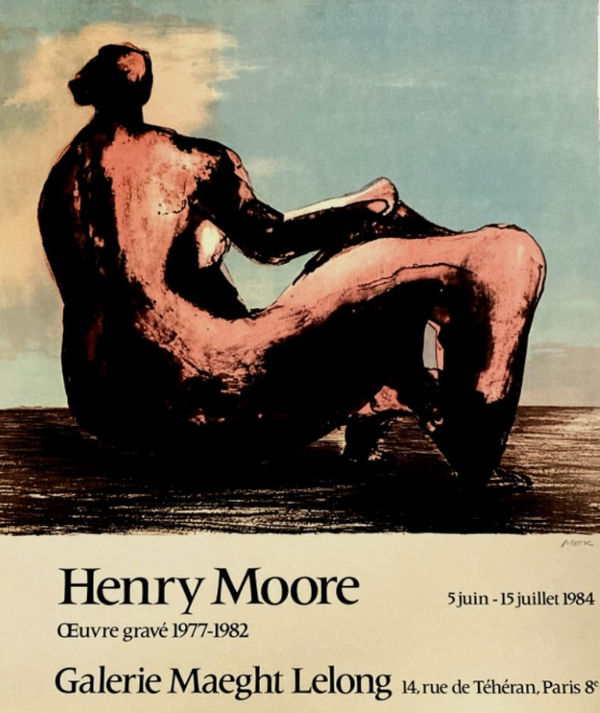
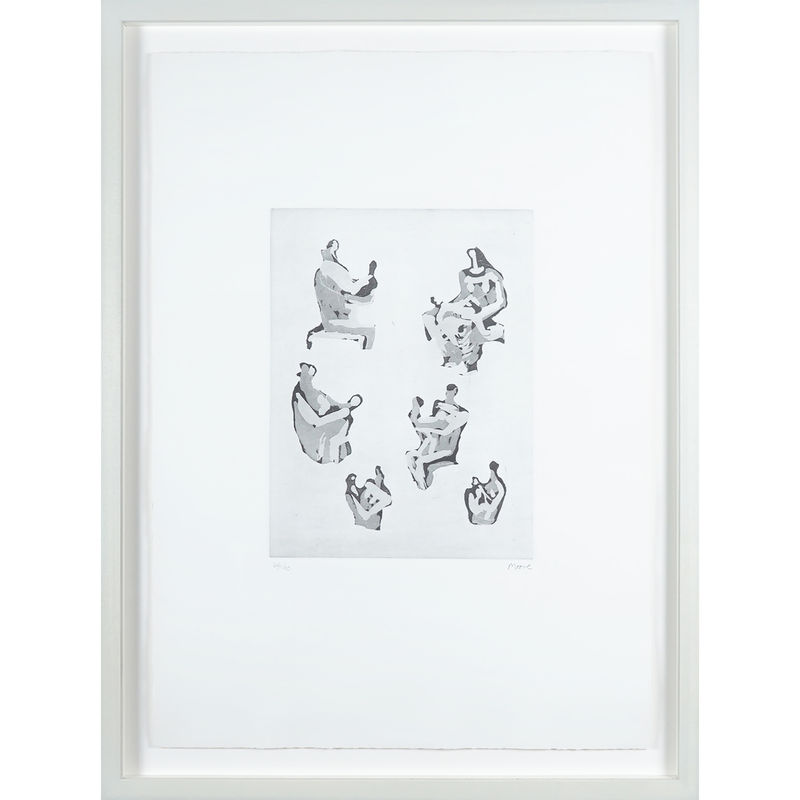
Best known for abstracted interpretations of the human figure, Moore frequently explored mother-and-child and reclining figure forms. His works often reference the female body and are characterised by pierced shapes and hollowed spaces. These flowing, undulating forms are frequently compared to the rolling landscape of his Yorkshire birthplace. Alongside his sculptural practice, Moore was also a highly accomplished printmaker, producing hundreds of etchings and lithographs throughout his career.
Today, Henry Moore's prints for sale remains highly sought after, appealing to collectors seeking original artwork with enduring cultural significance. His prints are widely regarded as compelling examples of art for investment, combining recognisable imagery, historical importance and lasting appeal.